

If you've been trying to live a healthier, more sustainable lifestyle, you've probably come across the term "non-toxic kitchen." But what does that actually mean?
For many people, the idea of creating a non-toxic kitchen sounds overwhelming. Images of replacing every container, every cleaning product, and every kitchen tool can make the process feel expensive and unrealistic.
The good news is that building a non-toxic kitchen doesn't require a complete overhaul. In fact, the most sustainable approach is often the simplest: make small, intentional changes over time as products wear out or need replacing.
Whether your goal is reducing plastic waste, simplifying your cleaning routine, or choosing products with more thoughtful materials and ingredients, every swap can make a difference.
Here's how to create a non-toxic kitchen—without replacing everything.
What Makes a Kitchen "Non-Toxic"?

A non-toxic kitchen focuses on reducing unnecessary exposures from the products we use every day.
While there isn't one universal definition, many people choose to prioritize:
- Reusable products instead of disposable ones
- Products with simpler ingredient lists
- Plastic-free or low-waste alternatives
- Durable materials designed to last
- Cleaning products with more transparent ingredients
Food storage solutions that reduce reliance on single-use plastics
The goal isn't perfection. It's creating a healthier space through better choices over time.
Why You Don't Need to Throw Everything Away
One of the biggest misconceptions about non-toxic living is that you need to replace everything immediately.
Not only is that expensive, but it can also create unnecessary waste.
A better approach is to replace products gradually as they wear out or run out. This allows you to make thoughtful upgrades while keeping perfectly functional items in use.
Start with products you use most often. Small changes made consistently tend to have the biggest long-term impact.
Step 1: Replace Single-Use Paper Products
Paper towels are a staple in many kitchens, but they're also one of the most frequently discarded household products.
Switching to reusable alternatives is one of the easiest ways to reduce waste while creating a more sustainable kitchen.
Reusable Paper Towels

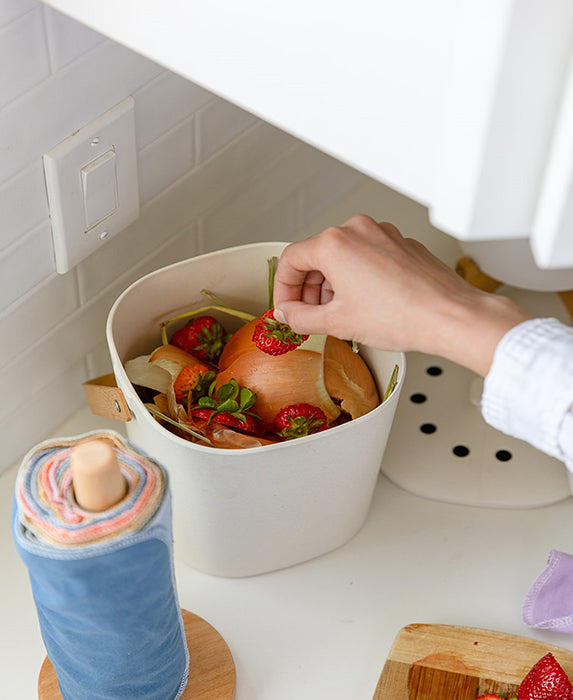
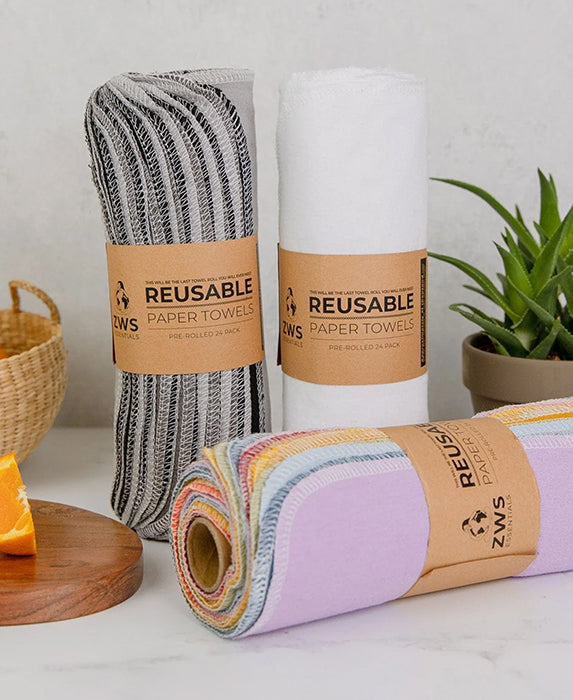
Reusable Paper Towels can handle everything from wiping counters to cleaning spills and drying produce. Instead of tossing them after a single use, simply wash and reuse them again and again.
For many households, this simple swap dramatically reduces paper towel consumption without changing daily habits.
Sponge Cloths

Sponge Cloths are one of the most versatile products you can add to your kitchen.
They absorb significantly more liquid than traditional paper towels, dry quickly between uses, and can replace sponges, dishcloths, and paper towels all at once.
Because they're reusable and long-lasting, they're an excellent addition to any non-toxic kitchen.
Step 2: Reduce Plastic Food Storage
Food storage is one of the most common sources of plastic use in the kitchen.
From plastic wrap to disposable bags, many households generate unnecessary waste simply trying to keep food fresh.
Food Huggers

Food Huggers offer a reusable alternative for covering fruits, vegetables, jars, and leftovers.
Instead of reaching for disposable plastic wrap, these flexible covers help preserve freshness while reducing waste.
They're especially useful for partially used produce like onions, lemons, avocados, and cucumbers.
Small swaps like this can help reduce both food waste and plastic waste at the same time.
Step 3: Upgrade Your Dishwashing Routine
Dishwashing products are often overlooked when creating a healthier kitchen.
However, many conventional dishwashing products come packaged in plastic and contain unnecessary additives.
Long Handle Dish Brush

One of the easiest upgrades is replacing disposable sponges with a durable dish brush.
A Long Handle Dish Brush helps clean dishes effectively while reducing dependence on plastic-heavy cleaning tools that wear out quickly.
Because it's built to last, it can significantly reduce waste over time.
Meliora Organic Castile Dish Soap

Dish soap is something most of us use every day.
Meliora Organic Castile Dish Soap uses simple ingredients to cut through grease while helping you simplify your cleaning routine.
Its versatility makes it useful for more than just dishes, making it a practical addition to any low-waste kitchen.
Dropps Dishwasher Detergent Pods

If you use a dishwasher regularly, detergent pods can be one of the easiest upgrades.
Dropps Dishwasher Detergent Pods eliminate the need for bulky plastic containers while offering convenient pre-measured cleaning power.
They help reduce waste and make dishwashing simpler.
Step 4: Reduce Plastic Waste at the Sink
Kitchen sinks are often home to a surprising amount of disposable plastic.
A few small changes can make a meaningful difference.
Copper Scrubber

For tougher messes, a Copper Scrubber offers a durable alternative to disposable synthetic scrub pads.
It's effective on cookware, sinks, and baked-on food while helping reduce reliance on plastic cleaning tools.
Because it can be used repeatedly, it's a practical addition to a more sustainable kitchen.
Step 5: Create a Lower-Waste Cleaning Routine
Keeping your kitchen clean doesn't have to mean constantly buying disposable products.
Reusable Disinfectant Wipes

Reusable Disinfectant Wipes help eliminate the need for single-use cleaning wipes that often end up in the trash after one use.
Simply clean, wash, and reuse.
This simple switch can dramatically reduce waste while keeping your kitchen surfaces fresh and clean.
Step 6: Reduce Kitchen Waste
One of the most effective ways to create a more sustainable kitchen is by reducing the amount of waste leaving your home.
BioBag Compostable Kitchen Bags

Food scraps account for a significant portion of household waste.
BioBag Compostable Kitchen Bags help support composting efforts by providing a compostable alternative to conventional plastic trash bags.
They're an easy addition to any kitchen focused on reducing waste and supporting a more circular lifestyle.
Common Non-Toxic Kitchen Myths
Myth #1: You Need to Replace Everything
You don't.
The most sustainable approach is replacing items as they wear out or need replenishing.
Myth #2: Non-Toxic Products Don't Work
Today's eco-friendly products are designed to perform just as well as conventional alternatives while often reducing waste and unnecessary ingredients.
Myth #3: Creating a Non-Toxic Kitchen Is Expensive
Many non-toxic swaps save money over time because they're reusable and designed to last longer than disposable alternatives.
How to Prioritize Your Kitchen Swaps
If you're just getting started, focus on these areas first:
- Reusable cleaning products
- Food storage solutions
- Dishwashing products
- Composting and waste reduction
- Long-lasting kitchen tools
Making one change at a time is often the easiest way to build habits that stick.
Frequently Asked Questions
What is a non-toxic kitchen?
A non-toxic kitchen is a kitchen that prioritizes products, materials, and routines designed to reduce unnecessary chemical exposure and waste.
What are the easiest non-toxic kitchen swaps?
Reusable paper towels, sponge cloths, food storage alternatives, dish brushes, and reusable cleaning products are some of the simplest places to start.
Do I need to throw away my plastic containers?
No. Continue using items you already own until they wear out, then replace them with alternatives that align with your goals.
How can I reduce waste in my kitchen?
Focus on reusable products, reducing food waste, composting food scraps, and choosing durable products designed to last.
Is a non-toxic kitchen also more sustainable?
Often, yes. Many non-toxic kitchen products are reusable, plastic-free, and designed to reduce waste over time.
Final Thoughts
Creating a non-toxic kitchen doesn't require perfection, and it certainly doesn't require replacing everything overnight.
By focusing on simple, practical swaps—like reusable paper towels, sponge cloths, food storage alternatives, durable dishwashing tools, and lower-waste cleaning products—you can gradually create a kitchen that's healthier for your family and better for the planet.
Remember, sustainable living is about progress, not perfection. Every small change adds up, and over time those small choices can make a meaningful difference.